
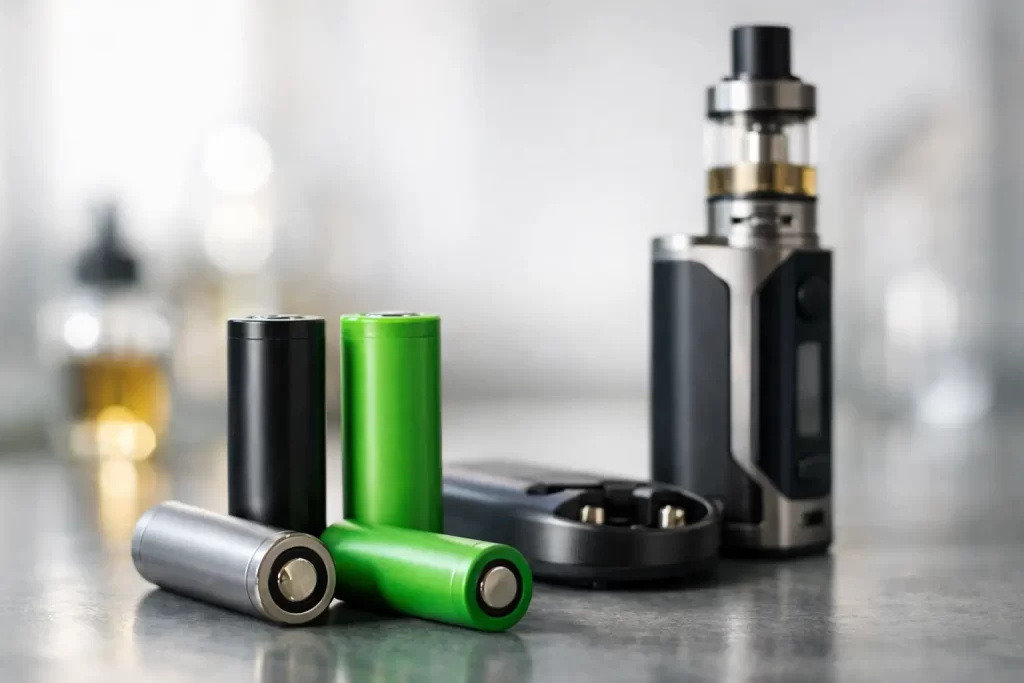
A vape that cuts out early, runs hot or shows a battery warning is rarely improved by choosing the biggest number on the wrapper. Knowing how to select vape batteries starts with matching the battery to the device you actually use. The right choice keeps your mod performing consistently, supports safer charging and gives you better value from every purchase.
For most pod users, battery selection is simple because the battery is built in. For vapers using a box mod, advanced kit or high-powered tank, it deserves more attention. A removable battery is not a universal part: its size, continuous discharge rating and condition all matter.
Start with your vape device
Check your device manual, battery door or manufacturer specifications before buying anything. It should state whether the mod takes one battery or two, the battery format it accepts and, in some cases, the recommended minimum continuous discharge rating.
The most common formats are 18650 and 21700. These numbers refer to the battery’s physical dimensions, not its quality or power. An 18650 is approximately 18 mm wide and 65 mm long, while a 21700 is wider and longer. They cannot be swapped unless your device is specifically designed to accept both, usually with an included adapter.
Do not force a battery into a device because it looks close enough. A poor fit can damage the battery wrap, prevent the door from closing correctly or create an unreliable connection. If your mod uses an internal rechargeable battery, use the cable and charging guidance supplied by the manufacturer rather than attempting to open or replace it yourself.
Single-battery and dual-battery mods
A single-battery device is compact and convenient, particularly for everyday use around Larnaca, Oroklini or while travelling. The trade-off is shorter runtime at higher wattages. If you vape at 60W or above, you may get through a charge noticeably faster than someone using a low-wattage mouth-to-lung setup.
Dual-battery mods normally offer longer battery life and can deliver higher power with less strain per cell. They are larger, but they suit vapers using sub-ohm tanks, rebuildable setups or high-output coils. When a mod takes two batteries, buy them as a matched pair: same brand, same model, bought together and always charged and used together. Keeping pairs together helps both cells age at the same rate.
How to select vape batteries by discharge rating
The key figure for removable vape batteries is the continuous discharge rating, usually shown as CDR and measured in amps. This indicates how much current a battery can supply continuously without exceeding its safe operating limits.
Higher-wattage vaping asks more from the battery. A battery with a high capacity but a low continuous discharge rating may last longer on paper, yet it may not be suitable for the power you use. Conversely, a high-discharge battery can be a better fit for demanding setups, though it may offer slightly less capacity.
For regulated mods, the device’s safety chip helps manage output, but the battery still needs to meet the manufacturer’s requirements. Stay within the stated wattage range and use genuine, reputable cells. Do not rely on exaggerated wrapper claims such as an unrealistic combination of huge mAh capacity and extremely high amp output. If it sounds too good for a cell of that size, it probably is.
Mechanical mods are different. They do not provide the same electronic protections found in regulated devices, so battery knowledge, coil resistance and Ohm’s law are essential. They are not the place for guesswork. If you use a mechanical mod, ask an experienced member of staff to help verify that your battery and build are suitable before use.
Capacity matters, but it is not everything
Capacity is measured in milliamp hours, written as mAh. In simple terms, more mAh generally means more vaping time between charges. It is a useful figure, especially for low-to-medium wattage users, but it should never be chosen ahead of the correct discharge rating.
Think of it as a balance. A 21700 battery may provide excellent runtime in a compatible mod, making it ideal for a busy day away from a charger. An 18650 can be a practical, dependable choice in a smaller device. The best battery is not automatically the one with the highest mAh number – it is the authentic cell that matches your device, wattage and vaping habits.
Choose genuine batteries from reputable sources
Vape batteries are often copied, rewrapped or marketed with misleading specifications. Avoid loose cells from unknown marketplaces, discount stalls or sellers who cannot explain the battery’s origin. The initial saving is not worth the risk of an unprotected, damaged or falsely rated cell.
Buy reputable, clearly labelled batteries from a specialist vape retailer and keep the receipt where possible. At Vape Culture, our in-store team can check your mod, discuss your usual wattage and point you towards a compatible option rather than leaving you to compare numbers alone. That is particularly useful if you have changed coils, upgraded your device or are moving from a pod kit to a more powerful mod.
A quality battery should arrive with an intact wrap and insulating ring around the positive end. Never use a cell with a torn wrapper, dented body, loose top ring, corrosion or signs of leaking. The plastic wrap is not cosmetic: it insulates the metal body of the battery. A tear can create a short circuit when the cell touches metal objects or the inside of a device.
Charge and carry batteries safely
A correctly selected battery still needs sensible day-to-day handling. Use a dedicated external charger from a reputable manufacturer whenever possible, especially for removable cells. External charging lets you monitor the batteries, usually charges each cell more evenly and avoids putting unnecessary heat through the mod’s charging port.
If you need to charge through your device, use the manufacturer-approved cable, place the device on a hard, clear surface and do not leave it charging overnight or unattended. Remove it once charging is complete. Heat is a warning sign: if a battery or charger becomes unusually hot, stop using it and seek advice.
Never carry loose batteries in a pocket, bag, car glovebox or purse. Keys, coins and other metal items can connect the positive and negative ends, causing a dangerous short. Use a purpose-made plastic battery case every time. It is a small accessory that protects both you and the battery.
For paired batteries, label them A and B or use a battery case that keeps the pair together. Rotate their positions in a dual-battery mod if the device manufacturer recommends it, and never mix an older cell with a new one. Different charge levels and ageing patterns can make the pair work unevenly.
Know when a vape battery needs replacing
Rechargeable cells do not last forever. Over time, their capacity reduces, charging becomes less reliable and voltage can drop more quickly under load. A battery that once lasted all day may begin needing a recharge by lunchtime. That does not automatically mean it is unsafe, but it is a sign to inspect and assess it.
Replace a battery immediately if the wrap is damaged and cannot be professionally rewrapped, if the cell is dented, if it becomes excessively hot, if it has been exposed to water, or if it behaves unpredictably in a known-working device. Do not put damaged batteries in household rubbish. Take them to an appropriate battery recycling point or ask your local vape shop about safe disposal options.
A sudden decline in performance can also come from a worn coil, poor charging cable or a dirty battery contact. Before blaming the battery, check the whole setup. Clean contacts gently with a dry cloth, fit a fresh compatible coil if needed and make sure your mod’s firmware and settings are appropriate for the tank you are using.
Get the match right before you leave the shop
Battery choice should be based on your exact device, not just what a friend uses or what is available at the counter. Bring your mod with you if you are unsure. A quick compatibility check can confirm the format, the right battery pair and whether your current wattage suits the cells you own.
The practical choice is usually the safest one: genuine batteries, the correct size, an honest continuous discharge rating and a charging routine that protects them. Get those basics right, and your device can deliver the reliable performance you bought it for – without turning a simple consumable into an avoidable problem.