
You feel it fastest when your device dies at the wrong moment. Maybe you are out for the evening in Larnaca, halfway through a long shift, or simply tired of charging delays at home. That is where the internal battery vs external battery choice stops being technical shop talk and starts affecting your day-to-day vaping.
For some adult vapers, an internal battery kit is the right call because it is simple, compact and easy to live with. For others, an external battery device makes far more sense because it offers flexibility, stronger long-session performance and easier long-term ownership. The best option depends on how you vape, how often you are out and about, and whether you want convenience now or more control over time.
Internal battery vs external battery: what is the difference?
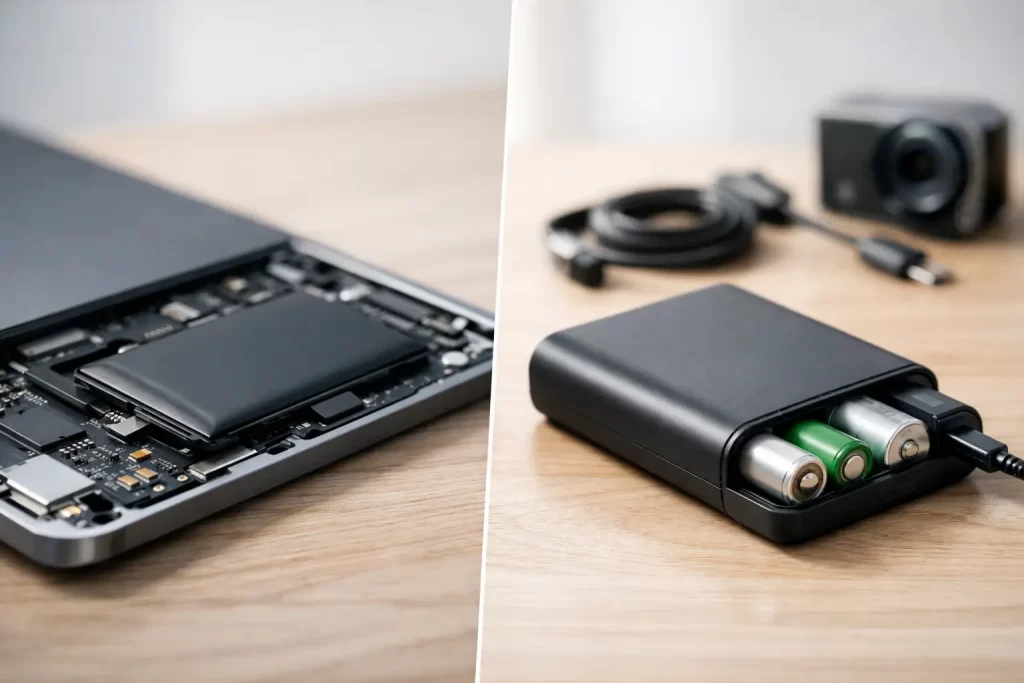
An internal battery vape has a built-in cell inside the device. You charge it directly with a cable, much like a phone. Most pod kits and many beginner-friendly devices use this setup because it keeps things straightforward. There is no need to buy separate batteries or learn about battery wraps, ratings or chargers from the start.
An external battery vape uses removable batteries, most commonly in a mod. When one battery runs low, you can replace it with a charged one and keep going. This style is popular with more experienced users, sub-ohm vapers and anyone who wants more power or longer usable runtime across the day.
That difference sounds simple, but it changes almost everything – size, upkeep, charging habits, cost over time and how easily your device fits your routine.
Why internal battery kits suit many vapers
If you want vaping to be easy, internal battery devices are often the strongest starting point. They are usually lighter, smaller and less intimidating. For somebody moving away from cigarettes or disposable products, that matters. A device that feels simple to charge and simple to use is more likely to become your regular setup.
Internal battery kits also tend to look cleaner in the hand and pocket. There is no battery door, no separate charger to think about, and no matching battery pair to keep track of. Many modern pod systems and compact kits from brands such as Vaporesso, OXVA, Uwell and Aspire are designed around that convenience. They are built for quick setup, dependable everyday use and minimal fuss.
Price can be another advantage at the start. You buy the device, your coils or pods, and your e-liquid. That lower barrier makes internal battery options attractive to first-time buyers or anyone who wants a reliable backup device without spending extra on loose batteries and charging gear.
There is a trade-off, though. Once the battery degrades, the whole device becomes less useful. All batteries wear down eventually. If your built-in battery no longer holds charge well after heavy use, you cannot simply swap in a fresh cell and carry on.
Where external battery devices pull ahead
External battery devices suit vapers who want flexibility and staying power. If you vape at higher wattages, use a sub-ohm tank, or spend long hours away from a charging cable, removable batteries quickly start to make sense.
The biggest advantage is continuity. Instead of waiting for the device to recharge, you can replace the battery and keep using it. That matters for heavier users and for anyone who relies on one main device throughout the day. It is also useful if you travel often or work long shifts where charging is inconvenient.
External battery mods also tend to support higher power ranges and larger tanks. Brands like Geekvape, Voopoo, Lost Vape and Vaporesso have long offered devices in this category because advanced users want more than just portability. They want output, battery management options and hardware that can grow with their preferences.
Long-term value can be better too. If the batteries age, you replace the batteries rather than the entire mod. That does not always mean external battery devices are cheaper overall, because you still need quality batteries and, ideally, a proper charger. But for regular users, the system can be more economical over time.
Internal battery vs external battery for beginners
For most beginners, internal battery is the easier and safer place to start – provided the device matches their usage. It removes a layer of complexity. You are not learning about battery limits on day one. You are learning how to fill the pod, change the coil, charge the device and find the right nicotine strength and flavour.
That simplicity is a genuine benefit, not a compromise. Plenty of adult vapers do not need a large dual-battery mod. They need a dependable device that gets them through the day without feeling bulky or complicated. In that case, a quality internal battery pod kit is often the better fit.
Still, beginner does not always mean light user. Some people start vaping and use their device constantly, especially in the early switch-away period. If that sounds familiar, an internal battery device with limited capacity may become frustrating quite quickly. You may be better off with a larger built-in battery kit or even a straightforward single-battery mod, as long as you receive proper guidance on battery safety and use.
Performance, runtime and charging: the practical side
This is where the decision becomes more personal. A compact internal battery kit can be brilliant for moderate vaping, nicotine salts and portable use. If your pattern is short sessions through the day, it may do everything you need.
But if you chain vape, run lower-resistance coils or prefer higher wattage, battery drain becomes more noticeable. External battery devices usually cope better under that kind of demand. They are designed for users who expect more from their hardware.
Charging matters too. Internal battery devices are convenient because one cable handles the job. That is ideal for home, office or car charging. On the other hand, if the device is charging, you may be without it for a while, or tempted to use it while charging, which is not always the best habit.
With external battery devices, you can rotate batteries and keep moving. Using a dedicated charger also tends to offer better battery care and monitoring. It is an extra step, yes, but one many experienced users prefer because it fits a more serious vaping routine.
Safety is not about fear – it is about fit
Battery conversations can become overdramatic. The reality is simple: both internal and external battery devices can be safe when used properly and bought from reputable brands.
Internal battery kits reduce user handling, which lowers the chance of mistakes. That is one reason they are popular with newer vapers. You are not carrying spare cells in a pocket or dealing with battery wraps.
External battery devices demand more responsibility. You need the correct batteries for the device, you need to inspect wraps for damage, and you should store and charge them properly. None of this is difficult, but it does require attention. The upside is more control and flexibility. The downside is that careless habits matter more.
This is exactly why buying from a proper vape shop helps. Good advice at the counter can save you from the wrong setup, the wrong batteries and unnecessary cost.
Cost now vs cost later
If you are watching your spending, the cheapest first purchase often looks like the winner. Internal battery devices usually come out ahead there. They are accessible, practical and easy to get started with.
Over time, though, the maths can shift. If you burn through smaller devices and replace them when battery life drops, an external battery setup may work out better. A solid mod with replaceable batteries can stay in service longer, especially for regular users.
That said, there is no universal winner. Light or moderate vapers may get excellent value from an internal battery device for a long time. Heavy users often see the benefit of external batteries much sooner.
Which one should you choose?
If you want the quickest, simplest and most beginner-friendly route, internal battery is usually the right answer. It suits pod users, casual to moderate vapers and anyone who values portability over maximum runtime.
If you vape heavily, want removable battery flexibility, or prefer more powerful hardware, external battery is often the better investment. It asks a bit more from you, but it gives more back in daily performance and long-term adaptability.
At Vape Culture, this is the sort of choice worth getting right before you buy. The best device is not the one with the biggest spec sheet – it is the one that matches how you actually vape, what you want to spend and how much simplicity or control you prefer.
A good vape setup should feel easy to live with. Choose the battery style that fits your routine, and the rest of your device choice becomes much clearer.